We have compiled a list of the Top 12 Easy Plants to Grow, for those new to gardening or with a black thumb.
Growing houseplants and ensuring they continue to thrive may be a real challenge. If you do not have much time to devote to caring for your plants but would still like to have some around the house, selecting simple plants to cultivate is the best option.
Areca Palm
It doesn’t matter where you put this leafy plant in the home as long as it gets indirect sunshine. If you want to prevent the leaves from becoming yellow, ensure they are not exposed to direct sunlight.
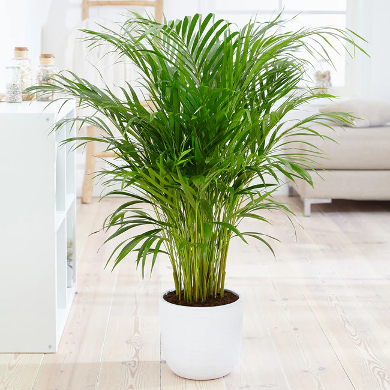
Outside, the plant may reach a height of up to 30 feet, while indoors, it will only come around seven feet. If you place it in a pot that is too small, the roots will get too crowded, and the plant will not grow as large.
This plant is beneficial because it can remove xylene and toluene from the surrounding air. Additionally, it functions as a humidifier when used correctly. In the winter, water the garden just enough to maintain a moist soil but allow it to become somewhat dry in between waterings.
Succulents
With their unusual and beautiful forms, Succulents are a favorite with both gardeners and decorators. Succulent plants have evolved in form and structure. These have led to a significant number of odd and amazing plants that are resilient and simple to cultivate.
These small beauties, which range in form, size, color, and height, look beautiful when arranged in a row of individual pots on a shelf. Simple to locate, attractive, and thriving in full sun, echeveria, lithops, and haworthia are all excellent choices.

Stay away from damp environments like bathrooms and kitchens and instead choose toasty settings between 64 and 75 degrees Fahrenheit (18 and 24 degrees Celsius). Water the compost heavily, but not the rosettes or glaucous leaves, since this will kill the plant.
The English Ivy
This leafy green plant contributes to reducing feces and other waste products carried via the air. In addition, it removes formaldehyde, which can be present in particular commercial and domestic cleaning products.

The plant requires intense light to maintain its healthy appearance, and if it does not get enough light, it may attract unwanted bugs. Be extremely careful while you’re watering, and give the ground time to dry out before you water it again thoroughly. Ivy dislikes stagnant water.
Aloe Vera
This extremely beneficial plant eliminates formaldehyde and benzene, which may be produced from chemical-based cleansers, paints, and other contaminants in the environment. In addition, it is a well-established fact that the application of aloe vera may help one obtain a flawless complexion.

Because aloe plants thrive best in a dry and warm environment, rather than damp and chilly, water them only when the container’s soil seems utterly devoid of moisture. A sunny window sill is ideal for this plant to call home. When grown in complete shadow, aloe will not survive. In addition, if you have recently repotted the plant, you should wait two to three days before giving it any water. This will let the roots settle into their new environment. We wrote a detailed article about watering Aloe Vera plants.
String of Heart
This tiny trailing plant is incredibly tolerant & undemanding, making it exceptionally simple to care for and maintain. The lower surfaces of the silver-gray leaves of the small heart-shaped leaves have a rose-pink hue.
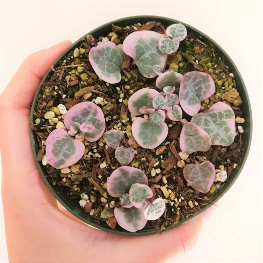
It is similar to a succulent in that it retains water in the long stems that it produces, which may grow to be as long as two meters in length. Consequently, the plant makes a gorgeous addition to a shelf or may be placed in a hanging planter above the staircase or a window; it also makes a charming addition to a bedroom.
It is content in most room temperatures; however, it should be protected from drafts and direct sunlight. Additionally, the soil should be kept wet without making it soggy. Do you want to give it a little boost every so often? After that, spritz the area with water mist and stand near a window for a few hours in the early morning or late evening.
Bromeliads
Exotic in appearance and richly colored, these tropical plants thrive in bright, sunny locations, are simple to cultivate, and live for a long time as houseplants. The plant makes a flower spike that is beautifully colored, and it does so from the center of the dense rosettes of the leaf that resemble tubes.
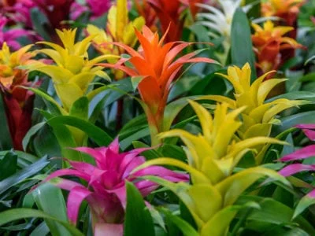
Depending on the kind, this can be a vibrant shade of pink, orange, yellow, or red, creating a stunning focal point indoors. When watering the plant inside, mimic the natural behavior of the plant in its natural environment, which is for water to gather in the lowest “cup” of leaves.
Once a week, drain the water to get rid of any dirt and insects that have settled there. These odd plants like it when the air around them is kept at a consistent temperature of 59 degrees Fahrenheit (15 degrees Celsius), and they also like it when their leaves are misted once a week throughout the summer. You may raise the plant’s humidity even more by placing it on a gravel-filled saucer that is only partly filled with water. However, you should not leave the plant’s roots submerged in water for an extended period because this might cause the plant to suffocate.
Ladies’ Slipper Orchid
Any uninspired area in your home can instantly benefit from adding this plant. The blooms of these orchids, which are fashioned like slippers, emerge from a bud sandwiched between two leaves.
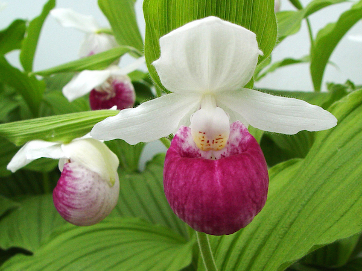
The plant’s attractiveness is enhanced by the deep green color of its leaves. Taking extra caution when watering this plant is advised. Chemically treated water should be stored for a few days before consumption. Give it a weekly soaking. Keep the plant out of direct sunlight by putting it in a shady spot.
Peace Lily
One of the most well-liked houseplants, the Peace lily is a picture of sophistication with its shiny tear-shaped leaves and pristine white blossoms.
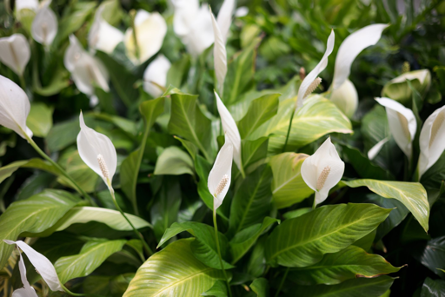
Beautifully understated, they exude an air of calm and simplicity but have a temper at times. They require a consistently damp environment, but their drooping leaves will signal when they need water. Keep it near the faucet so you may sprinkle it occasionally with water.
Don’t put the plant where the sun will directly contact the leaves, as this will cause them to burn, but put it where there will be enough light, and the leaves will still turn out a healthy, dark green.
This plant reaches a height of about 30 inches (75cm), prefers temperatures between 64 and 75 degrees Fahrenheit (18 and 24 degrees Celsius), and can survive down to 53 degrees Fahrenheit (12 degrees Celsius).
Spider Plant
In addition to neutralizing xylene, a solvent used in the leather and printing industries, this attractive plant is effective against benzene, carbon monoxide, and other similar compounds because of the plant’s unusually formed leaves, which hang down like spiders caught in a web.

The spider plant poses no risk whatsoever to any animals, including those kept as companions. Even if you notice some browning on the plant, there is no need for an alarm. It is nothing to worry about, and it will quickly return to its original green color! If you want your spider plant to have a healthy appearance, select soil that drains properly and avoid making the soil too wet.
Azalea
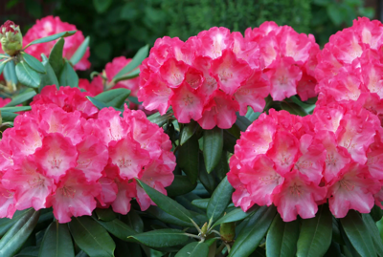
Azaleas are sun-loving plants that thrive in areas with plenty of light and can contribute to a reduction in the amount of formaldehyde produced by plywood and foam insulation.
This plant produces its stunning flowers in the spring, which may be enjoyed for several weeks. Because they are tolerant of shadow, they are an excellent choice for areas not exposed to direct sunshine. The leaves might be fried by direct sunlight.
This beautiful plant blooms like a shrub and comes in various colors to choose from. Although it creates a stunning effect when planted in clusters across a vast area, the optimal density for a smaller area is a single specimen.
After the flowering time, you can prune the plant to maintain its desired form. Do you remember the empty side table adjacent to your couch set? Adding an azalea to it will round off the appearance perfectly.
Weeping Fig
This leafy plant reduces emissions caused by drapes, carpets, and furniture. The weeping fig requires patience in its early stages of development, but once it reaches its mature state, it may reach heights of up to 10 feet. Because its leaves tend to fall off readily, you must remember that you should only move this plant occasionally.
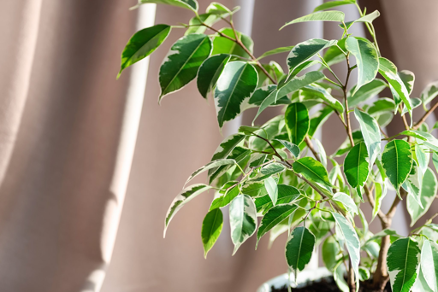
Put it in an area that receives a lot of indirect yet bright light, and leave it there. Keep it away from direct drafts of hot or cold air from entrances since these can also cause the leaves to fall off the plant. Because it is a durable plant, you will be able to take pleasure in its attractiveness for many years.
Snake Plant
The striped and twisted leaves, which resemble swords, give this plant its striking appearance. It is known as mother-in-tongue law and is hardy and exceptionally drought resistant. It is a beautiful plant that can be displayed as a stunner on a side table or tucked neatly in a corner.

There is a large selection of different types of snake plants available, including dwarf varieties such as Sansevieria fischeri that grow to a height of 16 inches (40 cm) and types that grow to a height of 3 to 4 feet (91 to 121 cm), such as Masoniana and trifasciata.
Although they grow somewhat slowly, they can survive in low light circumstances but will develop more quickly in brighter environments. If they are exposed to cold or temperatures lower than 50 degrees Fahrenheit, they will perish.
Water the plant once per week throughout the spring and summer months, but cut back to once every month during the autumn and winter months whenever the plant is dormant.
How Much to Water Indoor Plants?
Overwatering is the leading cause of death for houseplants, far more so than any other factor. We tend to go for the watering can in our eagerness to care for and fill our houses with lush vegetation, but this is only sometimes the answer.
The amount of water that houseplants require is often underestimated. Consider the soil before making decisions. It is acceptable for the top inch or two of the soil to be dry, but if it is more than that, the plant has to be watered.
You can either soak the plant in water or rinse water over the soil. In the first case let the plant in the water in its plastic container for half an hour, then let it drain completely before placing it back where it belongs. In the latter case slowly pur water over the soil around the stem of the plant. Make sure the water can distribute well.